Drip Irrigation Kit
Temsili görsel (stok fotoğraf); ürünün kendisi değildir.
Water Reaching Roots Instead Of Air
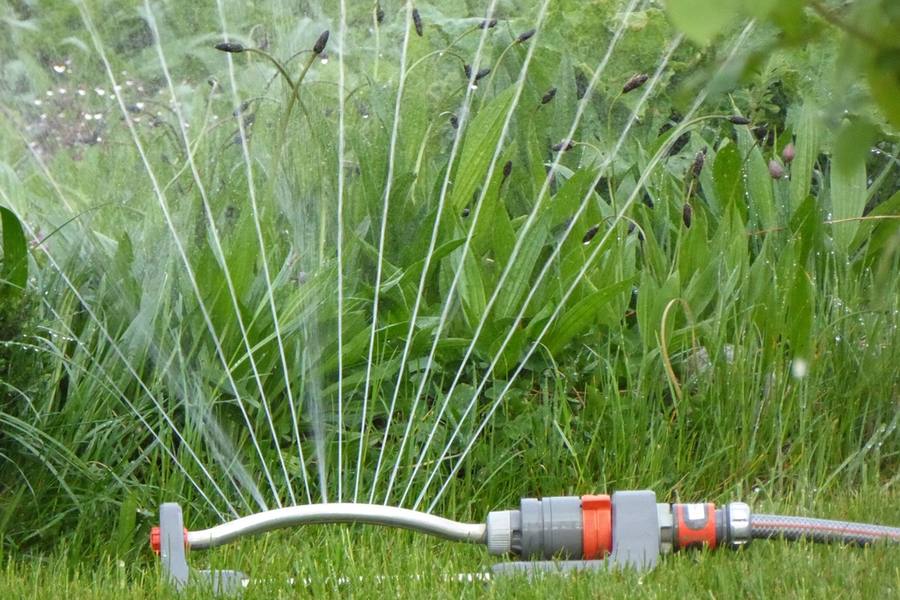
Sprinklers throw water across a whole area, and a substantial proportion evaporates before reaching soil or lands where nothing is growing.
Drip emitters deliver water at soil level directly at each plant, which puts nearly all of it where roots can take it up.
That efficiency matters most in dry regions and on a water meter, and it is the reason commercial growers use drip almost universally.
Dry Leaves Mean Less Disease
Overhead watering wets foliage, and wet leaves overnight encourage fungal diseases including blight, mildew and black spot.
Drip irrigation keeps foliage dry entirely, which reduces disease pressure noticeably on tomatoes, roses, courgettes and anything else prone to mildew.
That benefit is separate from the water saving and is frequently the more valuable of the two in a wet climate.
A Timer Is What Makes It Work
A drip system operated by hand is a hose that takes longer to set up, and the value comes entirely from automation.
A simple battery tap timer costs little and turns the system into something that waters while you are away, which is when plants usually die.
Watering early in the morning is more efficient than evening, since evening watering leaves soil surfaces damp overnight and encourages slugs.
Blocked Emitters And Filtration
Emitters have very small openings and block with grit, algae and limescale, and a blocked emitter is invisible until the plant beside it dies.
An inline filter prevents most of it, and rainwater fed from a butt carries debris that mains water does not.
Walking the system occasionally to check each emitter is running is the maintenance nobody does and the reason systems fail quietly.
Layout, Pressure And Expansion
Long runs lose pressure and emitters at the far end deliver less than those near the tap, which produces uneven watering across a bed.
Pressure-compensating emitters correct that and cost more, and shorter runs with a manifold achieve the same thing with layout instead.
Systems expand easily with connectors, and a kit bought slightly larger than needed avoids a second order for four metres of tubing.
Mulching over the tubing hides it and protects it from ultraviolet degradation, which is what makes exposed black tubing brittle and prone to splitting after a few summers. A few centimetres of bark or compost extends the life of a system considerably and improves how a bed looks at the same time. Marking where the lines run before covering them avoids putting a fork through the system the following spring.
Winterising is straightforward and necessary, since water left in tubing freezes and splits the line at the emitters where the walls are thinnest.
Adjustable emitters let one system water thirsty and drought-tolerant plants from the same line, which a fixed-rate kit cannot do without splitting the circuit.
Soaker hose is the simpler cousin, weeping along its whole length rather than at points, which suits rows of vegetables where drip emitters would need spacing individually.
The Verdict
The most efficient way to water a garden, where a timer and a filter are what make it genuinely worthwhile.
Emitters block invisibly, long runs water unevenly, and the system is little use operated by hand.
Add a timer and a filter. Without the timer it is a slow hose, and without the filter it silently blocks.
Bir bakışta
Artılar
- Almost all water reaches the roots
- Dry foliage reduces fungal disease markedly
- Waters reliably while you are away
- Expands easily with standard connectors
Eksiler
- Emitters block invisibly with grit and limescale
- Long runs deliver unevenly without compensation
- Of little value without a timer
- Tubing is visible unless mulched over
Sıkça sorulan sorular
Is it worth it over a sprinkler?
Yes on two counts. Nearly all the water reaches roots rather than evaporating, and foliage stays dry, which noticeably reduces blight, mildew and black spot on susceptible plants.
What do I need besides the kit?
A battery tap timer and an inline filter. Without the timer it is just a slow hose; without the filter, emitters block with grit and limescale and the first sign is a dead plant.
Why is one end of the bed drier?
Pressure loss over a long run, so emitters at the far end deliver less. Pressure-compensating emitters fix it, or shorter runs from a manifold achieve the same thing through layout.
Teknik Özellikler
| Type | Low pressure drip irrigation kit |
| Efficiency | Water at soil level, minimal evaporation |
| Disease benefit | Foliage stays dry |
| Essential | A battery tap timer |
| Timing | Early morning over evening |
| Maintenance | Inline filter; check emitters |
| Uneven runs | Pressure-compensating emitters |
| Rainwater | Carries more debris than mains |
Özet
The efficient way to water. Budget for a timer and a filter — without either it is barely worth installing.
Amazon'da Fiyatı Kontrol Et