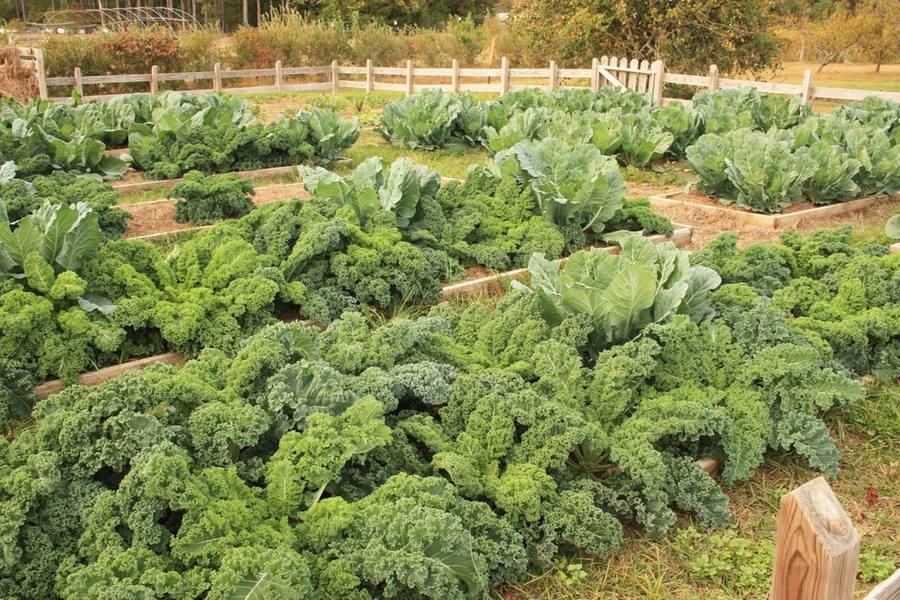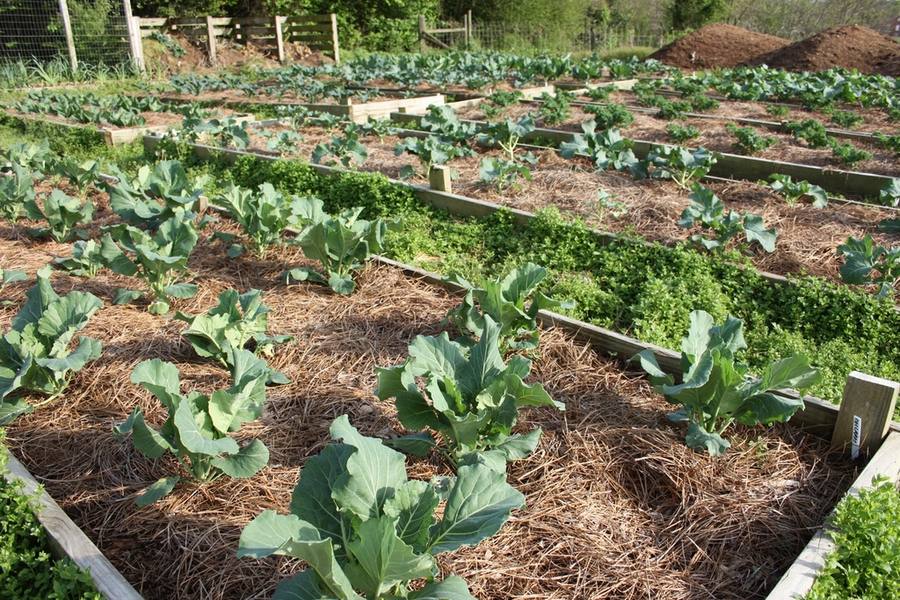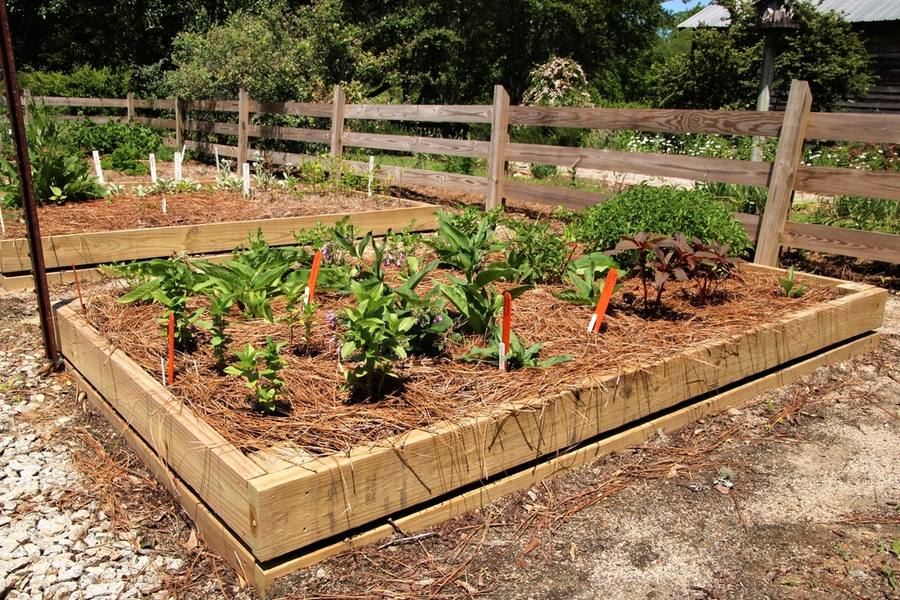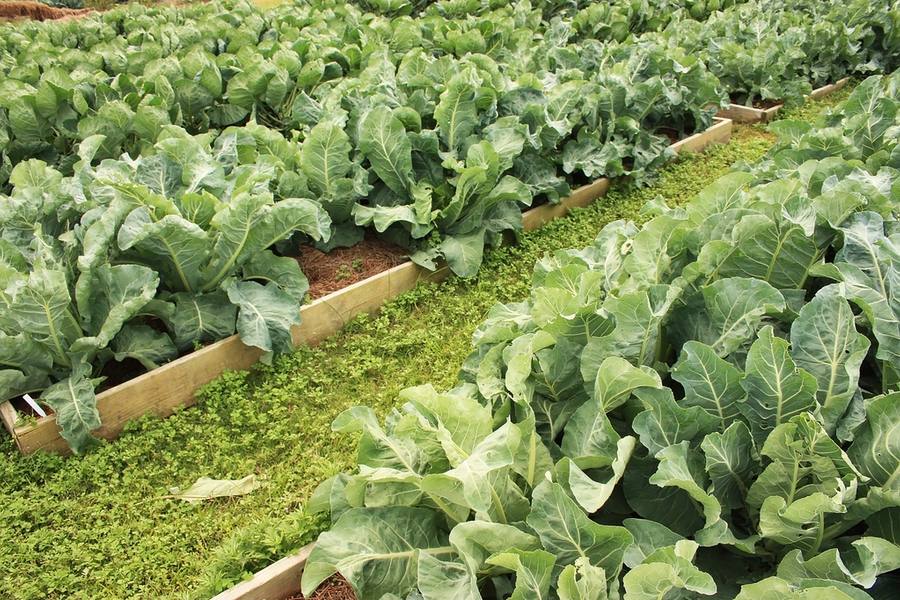
Image illustrative (photo de stock) ; ce n'est pas le produit exact.
The Soil Is The Point
A raised bed replaces whatever is in the ground with soil you choose, which solves heavy clay, thin chalk, contaminated urban ground and compacted subsoil in one move.
That control over the growing medium is the main reason raised beds produce better crops than the same plants in poor native soil.
It also warms earlier in spring, since raised soil is exposed on more sides, which extends the growing season at both ends by a couple of weeks.
Filling Costs More Than The Frame
A bed two metres by one metre and thirty centimetres deep holds around six hundred litres of soil, which in bags is a substantial and frequently unexpected cost.
Bulk deliveries of topsoil and compost cost a fraction per litre and require somewhere for a load to be tipped and moving it by barrow.
Filling the lower third with branches, cardboard and rough compostable material reduces the bought volume considerably and settles over the first year, which needs topping up.
Depth Against What Is Being Grown
Salad, herbs and most leafy crops root shallowly and grow well in fifteen to twenty centimetres of soil.
Carrots, parsnips and potatoes need considerably more depth, and a shallow bed produces forked and stunted roots regardless of soil quality.
A bed over existing soil that is merely poor can be deeper than it looks, since roots pass into the ground beneath, and a bed on concrete cannot.
Timber, Metal And What Lasts
Untreated softwood rots within a few years in contact with damp soil, and treated timber lasts considerably longer with modern treatments that are not the arsenic-based products of decades ago.
Hardwood and metal last far longer and cost more, and galvanised steel beds heat up in direct sun which dries soil at the edges faster.
Lining the inside walls with permeable membrane rather than plastic slows timber decay without trapping water against the wood.
Height, Access And Backs
A bed at knee height still requires bending, and waist-height beds allow gardening entirely standing, which for anybody with back or mobility problems changes what is possible.
Taller beds need much more soil and stronger construction, since the sideways pressure of wet soil at height is considerable.
Width matters more than most people consider, and a bed reachable from both sides should be no more than about one and a half metres across so the centre can be worked without standing in it.
Paths between beds are part of the design and are consistently made too narrow, since a barrow needs considerably more room than a person walking does. Sixty centimetres is workable on foot and closer to eighty is needed for a wheelbarrow to pass without catching the bed edges. That decision is effectively permanent once beds are built and filled, which is why it deserves more thought than it usually gets.
Hooped covers turn a raised bed into a cold frame or a netted cage cheaply, extending the season at both ends and keeping pigeons off brassicas.
The Verdict
The most effective single change for anybody with poor soil, provided the filling cost is budgeted alongside the frame.
Soil costs more than the bed, shallow beds limit crops, and untreated softwood rots within a few years.
Budget for the soil first. Filling a bed usually costs more than the frame that holds it.
En un coup d'œil
Avantages
- Complete control over the growing medium
- Warms earlier and extends the season
- Better drainage than compacted ground
- Waist height allows gardening while standing
Inconvénients
- Soil to fill it costs more than the frame
- Settles substantially in the first year
- Untreated softwood rots within a few years
- Dries out faster than open ground
Questions fréquemment posées
How much soil will I need?
More than you expect. A two-metre by one-metre bed thirty centimetres deep holds around six hundred litres. Bulk delivery costs a fraction of bagged, and filling the lower third with branches and cardboard reduces the bought volume.
How deep should it be?
Fifteen to twenty centimetres for salad, herbs and leafy crops. Carrots, parsnips and potatoes need considerably more, and a shallow bed gives forked stunted roots however good the soil is.
Will the timber rot?
Untreated softwood will, within a few years in contact with damp soil. Treated timber lasts far longer, and modern treatments are not the arsenic-based products of decades past. A permeable membrane lining helps without trapping water.
Spécifications
| Type | Raised garden bed kit |
| Main benefit | Chosen soil rather than native ground |
| Hidden cost | Volume of soil required |
| Shallow crops | 15-20 cm suits leafy crops |
| Root crops | Need considerably more depth |
| Timber | Treated or hardwood; softwood rots |
| Metal | Long lasting; heats soil at the edges |
| Width | Under about 1.5 m for two-sided access |
Résumé
Best fix for bad soil. Price the filling before the frame — the soil is usually the larger cost.
Vérifier le prix sur Amazon