Garden Spike Spotlights

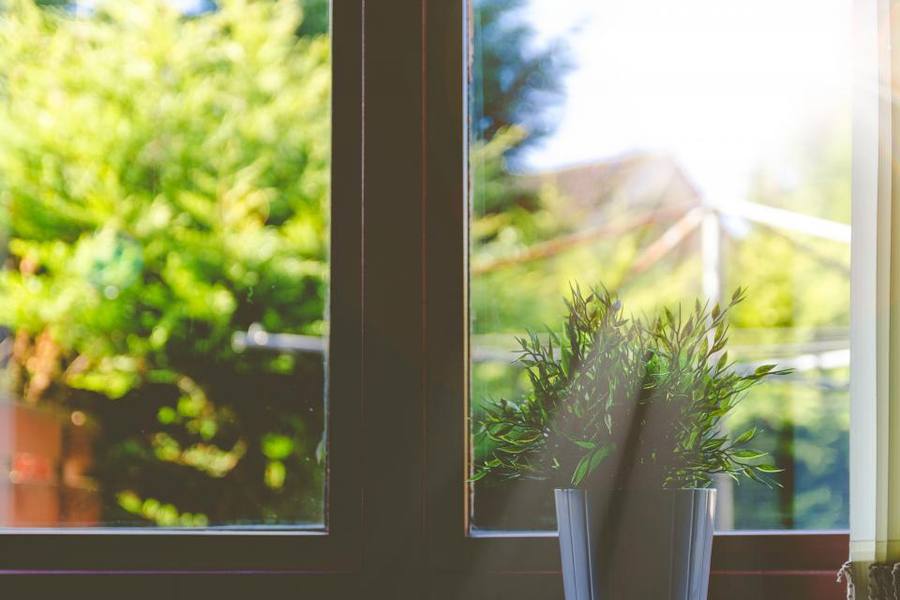
Symbolbild (Stockfoto); nicht das abgebildete Produkt.
Light A Few Things, Not Everything
A garden lit evenly all over reads as flat and institutional, and the effect that makes a garden look good at night comes from contrast.
Picking out three or four features — a specimen tree, a wall, a sculpture — and leaving everything else dark produces depth and drama.
That restraint is the difference between garden lighting that looks considered and lighting that looks like a car park.
Low Voltage Makes It A Home Job
Twelve-volt systems run from a transformer, and the cable carries low voltage that is safe to handle and can be laid without an electrician in most jurisdictions.
Mains outdoor lighting requires armoured cable, proper burial depth and in many places notifiable work by a qualified person.
That difference is why low-voltage systems dominate domestic garden lighting, and the transformer itself still needs an outdoor-rated mains supply.
Beam Angle And What It Suits
A narrow beam picks out a tree trunk or a single feature and leaves everything around it dark, which is what creates drama.
A wide beam washes a wall or a border evenly and produces a softer more general effect.
Most gardens need a mix, and using narrow spots everywhere produces a series of unrelated bright patches rather than a coherent scheme.
Spikes, Cables And Forks
Spike lights are pushed into soil and are moved by weather, animals and gardening, and a spot that was aimed perfectly is pointing at nothing a month later.
Cable laid under a few centimetres of mulch is cut by forks and spades regularly, and running it along a border edge or in a conduit prevents most of that.
Repositionable spikes are an advantage rather than a flaw, since planting grows and the right aim changes across a season.
Glare And Neighbours
An uplight aimed steeply can be seen directly from a neighbouring window or a seating area, which is glaring and unpleasant.
Shrouds and glare guards direct light forward and hide the source, and aiming so the lamp is not visible from where people sit is the free version of the same fix.
Warm colour temperatures around two thousand seven hundred kelvin suit planting and stonework, where cold white makes foliage look grey and lifeless.
Transformer capacity limits how many lights a system can run, and adding fittings beyond the rated load either fails to work or overloads the unit. Buying a transformer with headroom for later additions costs little extra and avoids replacing it when the scheme grows, which it invariably does. Cable length also causes voltage drop over long runs, which makes distant lights noticeably dimmer than those near the transformer.
Plug-and-play connector systems join fittings without stripping cable, which is what makes these genuinely installable by anybody and lets a scheme be rearranged in minutes.
Downlighting from a tree branch produces a soft dappled moonlight effect that uplighting cannot, and it needs a fitting and cable secured well enough to stay put for years.
The Verdict
The most effective garden lighting when used sparingly, and low voltage makes installation genuinely achievable at home.
Spikes shift and need reaiming, buried cable gets cut, and steep uplights glare into windows.
Light three things, not thirty. Contrast is what makes a garden look good after dark.
Auf einen Blick
Vorteile
- Creates depth and drama through contrast
- Low voltage is safe to install without an electrician
- Repositionable as planting grows
- Warm colour flatters planting and stone
Nachteile
- Spikes shift and need frequent reaiming
- Buried cable is cut by forks and spades
- Steep uplights glare into windows
- Over-lighting produces a flat institutional look
Häufig gestellte Fragen
How many lights do I need?
Fewer than you think. Lighting a garden evenly reads as flat and institutional; picking out three or four features and leaving the rest dark produces depth. Restraint is what separates considered lighting from a car park.
Can I install it myself?
Low-voltage systems, generally yes — the cable carries twelve volts and is safe to handle. The transformer still needs an outdoor-rated mains supply, and full mains outdoor lighting is notifiable work in many places.
Why do they keep pointing the wrong way?
Spikes in soil get moved by weather, animals and gardening. Run cable along a border edge or in conduit so it survives forks, and treat reaiming as routine — planting grows and the right angle changes anyway.
Spezifikationen
| Type | Low voltage garden spike spotlights |
| Design principle | Light a few features, not everything |
| System | 12 V from an outdoor transformer |
| Narrow beam | Single features and trunks |
| Wide beam | Walls and borders |
| Cable | Along edges or in conduit, not loose under mulch |
| Glare control | Shrouds and careful aiming |
| Colour | Around 2700 K warm white |
Fazit
Light three features, not the whole garden. Low voltage keeps it a job you can do yourself.
Preis auf Amazon prüfen