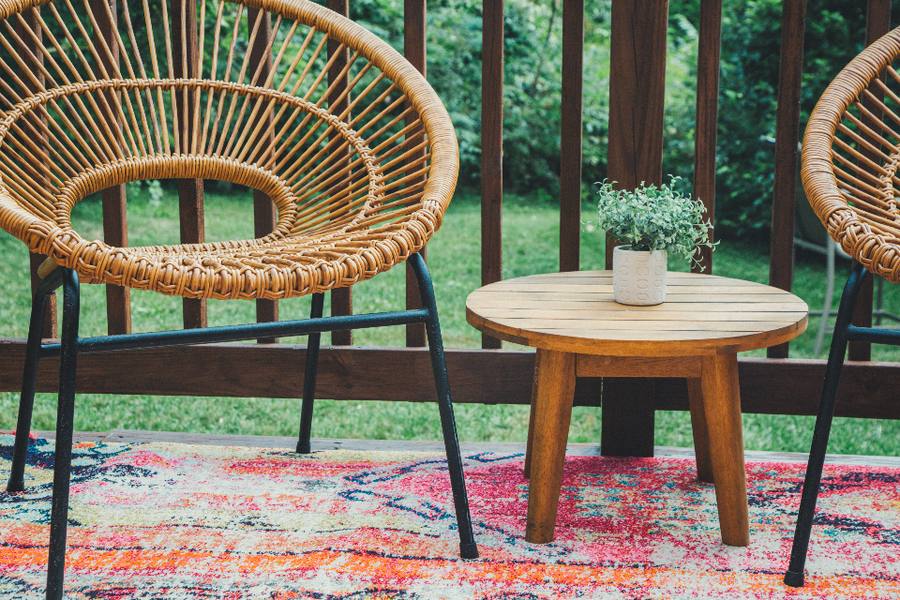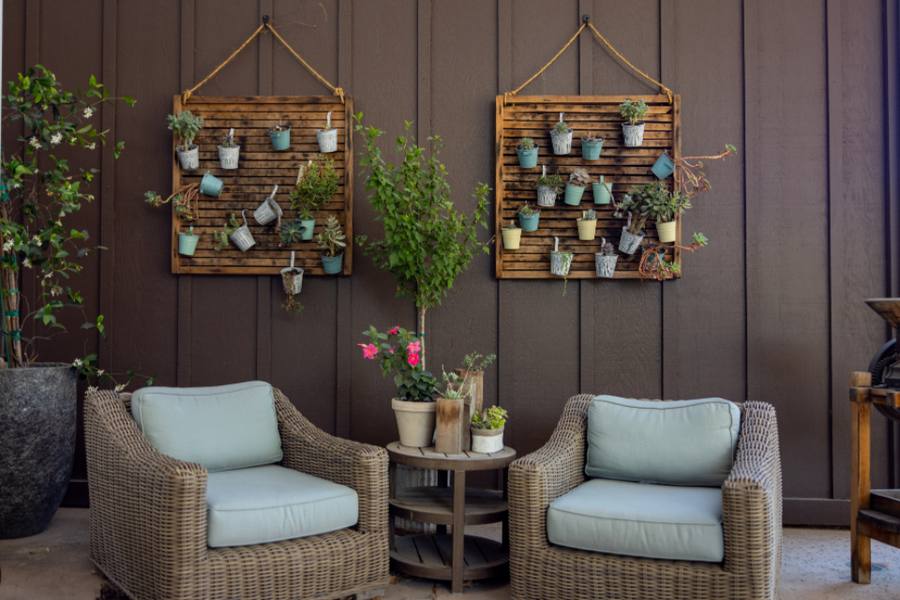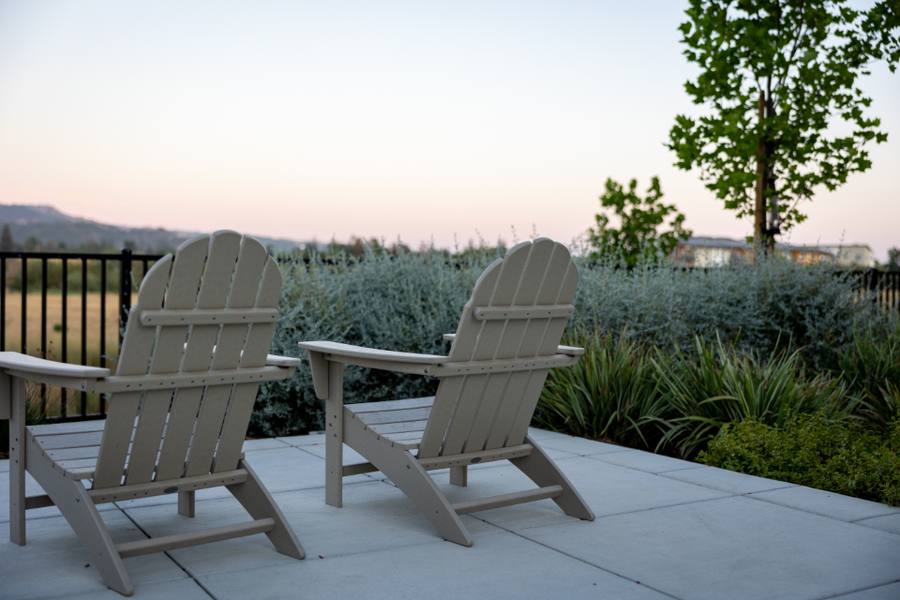
Symbolbild (Stockfoto); nicht das abgebildete Produkt.
Hardwood Outlasts Everything Else
Dense hardwoods such as teak, iroko and oak contain natural oils and tight grain that resist rot, insects and water absorption for decades outdoors.
Softwood benches, even treated, have a fraction of that life and soften and split at the joints within several years of weather.
The price difference is considerable and so is the lifespan, and a hardwood bench frequently outlives the person who bought it.
Joints Fail Before The Timber Does
Timber can be sound while a bench has become unsafe, because the joints holding it together loosen as wood moves with moisture cycles.
Mortise and tenon joints with hardwood dowels survive that far better than screwed butt joints, which work loose and eventually tear out.
Checking and tightening fixings annually is the maintenance that matters most, and a bench that rocks is telling you a joint has gone.
Silver Weathering Or Oiled Colour
Untreated hardwood weathers to a silver grey, which is a surface effect and does not weaken the timber at all.
Annual oiling maintains the original honey colour and does nothing for the structural life of the bench, which makes it purely an aesthetic choice.
That is worth knowing, since many people oil a bench believing it is preserving it when it is only preserving how it looks.
Sourcing And Certification
Teak and other tropical hardwoods have a genuine association with illegal logging, and certification schemes exist precisely because the supply chain is difficult to verify.
Certified timber costs more and is the only reasonable basis for confidence about where it came from.
European oak and reclaimed hardwood both avoid the question entirely and perform comparably outdoors.
Siting, Damp And Feet
A bench standing on soil or grass wicks moisture into the end grain of its legs, which is where rot starts even in rot-resistant timber.
Standing it on paving, or on feet that lift the legs clear, prevents that and costs nothing.
A bench under a tree collects sap and bird droppings and stays damp in shade, which is why the pleasant-looking spot is frequently the wrong one.
Slat spacing affects comfort and drainage together, since narrow gaps drain slowly and leave a bench wet long after rain while wide gaps drain immediately and press uncomfortably into the back of the legs. Around a centimetre is the usual compromise and it works reasonably in both directions. A bench that stays wet after every shower gets used far less than one that dries in an hour.
Memorial and engraved benches are a common purchase and worth buying in hardwood specifically, since a softwood bench intended to last decades will not.
Arm rests matter for anybody who finds standing up difficult, giving something to push against in the way a backless bench cannot.
Seat depth and back angle determine whether a bench is somewhere to pause or somewhere to sit for an hour, and most are built for the former.
Bolt-down fixings deter theft of anything sited near a boundary, which for an attractive hardwood bench in an accessible garden is a genuine consideration.
The Verdict
A genuinely long-term purchase where joint construction and siting matter more than the finish.
Screwed joints work loose, ground contact rots legs, and tropical hardwood sourcing is a real concern.
Lift the legs off soil. Rot starts in end grain wicking damp, even in timber that resists it well.
Auf einen Blick
Vorteile
- Decades of outdoor life with minimal care
- Natural oils resist rot and insects
- Mortise and tenon joints stay tight
- Weathers to silver without weakening
Nachteile
- Joints loosen before the timber fails
- Tropical hardwood sourcing is a real concern
- Heavy and effectively permanent once placed
- Legs rot where they stand on soil
Häufig gestellte Fragen
Do I need to oil it?
Only for appearance. Untreated hardwood weathers to silver grey, which is a surface effect that does not weaken the timber at all. Oiling maintains the honey colour and does nothing for structural life.
What fails first?
The joints. Timber can be sound while a bench has become unsafe, because joints loosen as wood moves through moisture cycles. Mortise and tenon with dowels survives far better than screwed butt joints. Tighten fixings annually.
Where should I put it?
On paving or on feet lifting the legs clear of soil, since rot starts in end grain wicking damp even in rot-resistant timber. Avoid under trees, where sap, droppings and permanent shade keep it damp.
Spezifikationen
| Type | Hardwood slatted garden bench |
| Timbers | Teak, iroko, oak |
| Lifespan | Decades with minimal maintenance |
| Weak point | The joints, not the wood |
| Best joints | Mortise and tenon with dowels |
| Oiling | Appearance only, not preservation |
| Sourcing | Certified, European oak or reclaimed |
| Siting | On paving or feet, never soil |
Fazit
Outlasts everything else outdoors. Keep the legs off soil and tighten the joints once a year.
Preis auf Amazon prüfen