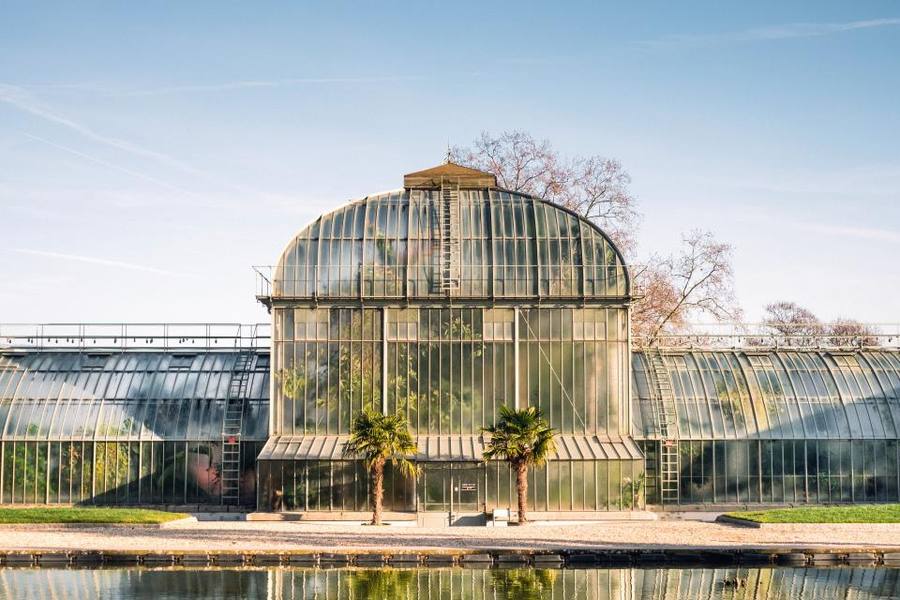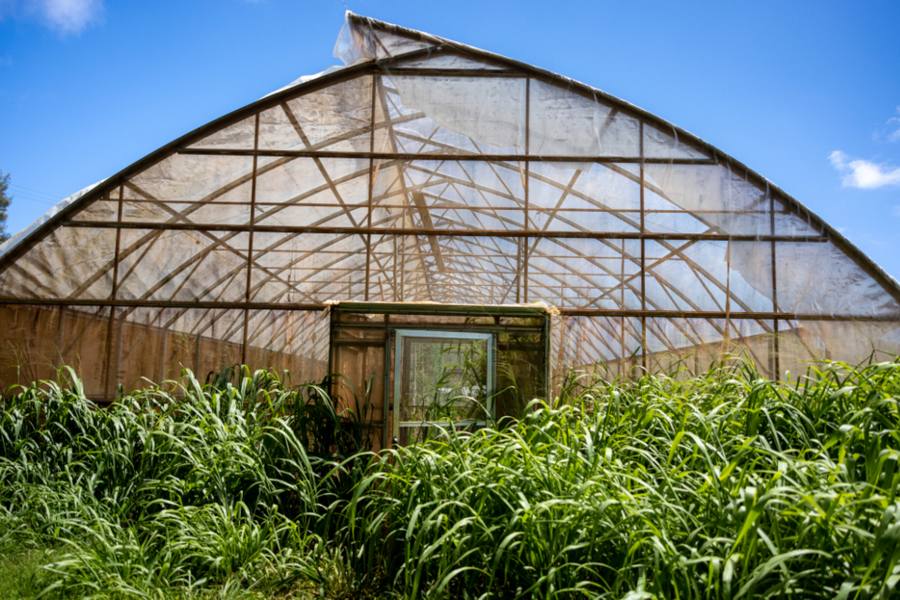
Symbolbild (Stockfoto); nicht das abgebildete Produkt.
Hardening Off Is The Main Job
Seedlings raised indoors have soft growth that is scorched or killed by sudden exposure to wind, cold and direct sun.
A cold frame provides the intermediate step, sheltering plants while gradually exposing them as the lid is opened further each day.
That transition is where most home-raised seedlings are lost, and a cold frame is the standard and effective solution to it.
Overheating Kills More Than Cold
A closed cold frame in spring sunshine reaches temperatures well above what seedlings tolerate, and plants are cooked inside far more often than they are frosted.
Propping the lid open on any sunny day is essential, and the mistake is almost always forgetting to open rather than forgetting to close.
Automatic openers exist for frames as well as greenhouses, and they cost little against a tray of seedlings lost on one bright afternoon.
Siting And Aspect
A frame against a south-facing wall gains reflected heat and shelter, which is the classic position and works well.
Full shade defeats the purpose, and a frame in a frost pocket at the bottom of a slope collects the cold air it was meant to exclude.
Level ground matters since a frame on a slope drains unevenly and the lid does not seat properly against the frame.
Glazing, Weight And Safety
Glass gives the best light transmission and is heavy and breakable, and a glass lid falling is a genuine hazard particularly with children around.
Polycarbonate is lighter, safer and insulates better, and it scratches and yellows over years.
A lid propped open must be secured, since wind catching an unsecured lid slams it, which breaks glazing and damages plants.
Winter Use And Insulation
A cold frame keeps frost off hardy plants and does not keep out a hard freeze, since there is no heat source and very little thermal mass.
Fleece laid over plants inside, or bubble insulation lining the frame, adds several degrees at very little cost.
Overwintering hardy salads, garlic and broad beans in a frame works well, and tender plants need a heated space rather than an unheated box.
Building one from an old window and some scrap timber costs almost nothing and works exactly as well as a bought frame, which is why cold frames are among the most commonly homemade garden structures. The only requirements are a transparent lid that can be propped, sides that keep wind out and a base that sits flat. Second-hand double-glazed units are heavy and make excellent lids where the weight can be supported.
Sliding lids avoid the wind-slam problem entirely, opening horizontally rather than hinging upward, which suits an exposed site considerably better than a propped lid.
Slug and snail access is the other benefit, since a closed frame keeps them off young plants at exactly the stage where a single night of grazing destroys a tray.
The Verdict
The cheapest and most effective way to extend a growing season, where daily ventilation is what determines success.
Closed frames cook seedlings, unsecured lids slam in wind, and frames give no protection against a hard freeze.
Open it on sunny days. More seedlings are cooked in closed cold frames than are ever lost to frost.
Auf einen Blick
Vorteile
- Solves hardening off, where most seedlings die
- Extends the season at both ends cheaply
- Overwinters hardy salads and alliums well
- Simple enough to build from scrap
Nachteile
- Cooks seedlings if left closed on sunny days
- No protection against a genuine hard freeze
- Glass lids are heavy and a real hazard
- Needs daily attention through spring
Häufig gestellte Fragen
What is a cold frame actually for?
Hardening off, mainly. Seedlings raised indoors have soft growth killed by sudden exposure to wind and sun. A frame shelters them while the lid is opened further each day, which is where most home-raised seedlings are otherwise lost.
Why did my seedlings die in it?
Almost certainly heat. A closed frame in spring sunshine gets far hotter than seedlings tolerate, and plants are cooked inside far more often than frosted. Prop the lid on any sunny day, or fit an automatic opener.
Will it protect plants from frost?
From light frost, yes. Not from a hard freeze — there is no heat source and little thermal mass. Fleece over plants inside or bubble insulation adds a few degrees. Tender plants need heated space, not an unheated box.
Spezifikationen
| Type | Unheated garden cold frame |
| Main use | Hardening off seedlings |
| Commonest failure | Overheating, not frost |
| Daily task | Open the lid on sunny days |
| Worth adding | An automatic vent opener |
| Siting | South-facing wall, level ground |
| Glazing | Polycarbonate safer; glass clearer |
| Winter | Fleece or bubble insulation inside |
Fazit
Cheapest season extension there is. The daily job is opening it, not closing it.
Preis auf Amazon prüfen